Botox, Mood & the Psychology of Ageing
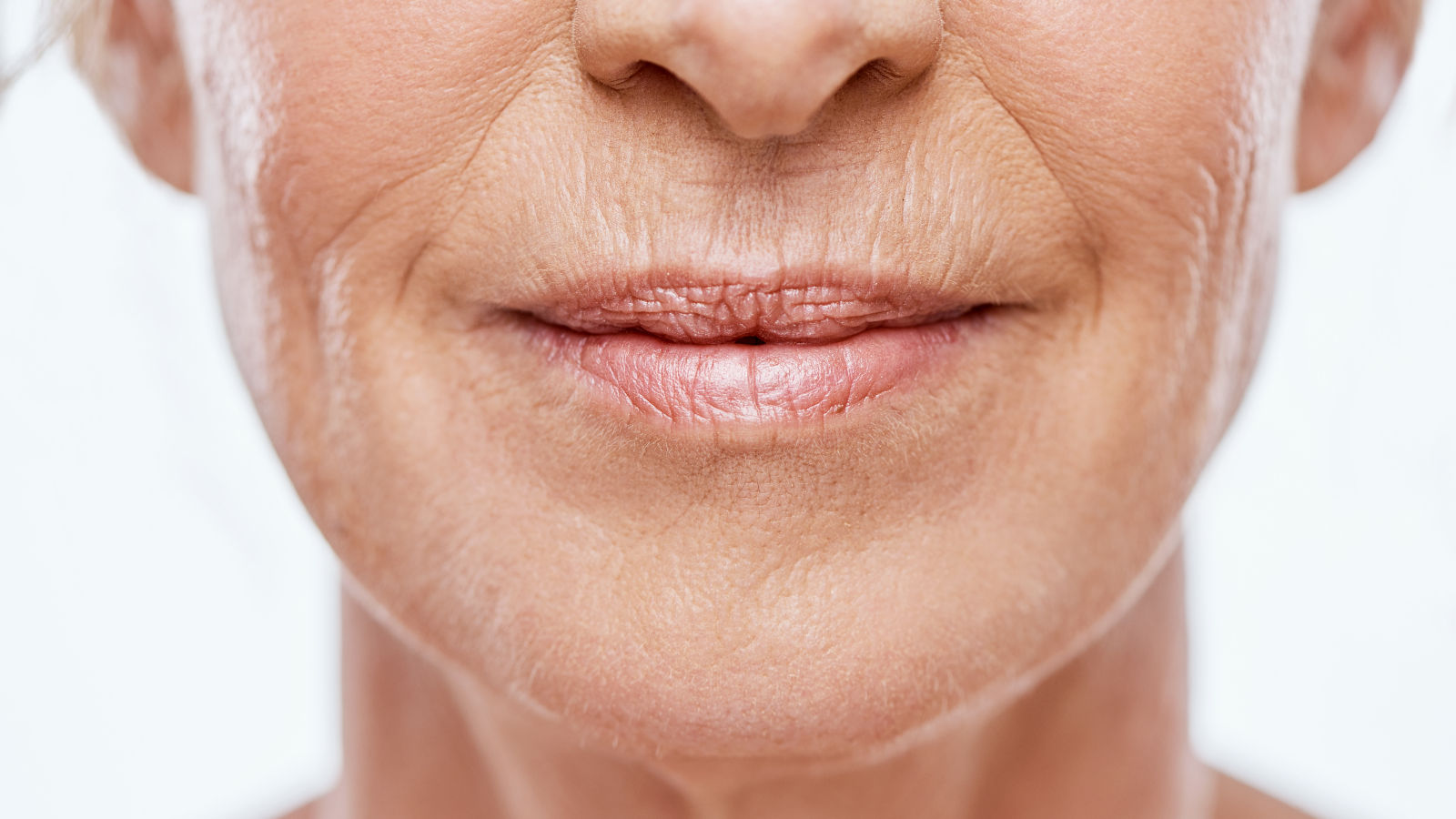
When considering Botox, most individuals associate it with cosmetic purposes such as reducing wrinkles, softening frown lines, or reversing visible signs of ageing. However, recent scientific research has revealed an additional, unexpected benefit: Botox may also alleviate symptoms of depression.
Importantly, this effect is not solely attributable to improved self-perception. Instead, it involves complex interactions among psychological, biological, and neurophysiological processes that govern communication between facial expressions and the brain.
Botox and the ‘Facial Feedback Loop’
Psychologists have known for a long time that our facial expressions don’t just show how we feel—they can also shape our emotions. This idea is called the facial feedback hypothesis. This process can be illustrated as follows:
• When you frown, the muscles between your eyebrows (the glabellar region) contract.
• Those muscles send signals back to the brain that reinforce feelings of worry or sadness.
• The more your face is locked in a frown, the more your brain “believes” you’re upset.
Injecting Botox into the muscles responsible for frowning disrupts this feedback loop. As these muscles are unable to contract as before, the brain receives fewer negative emotional signals. Over time, this intervention may reduce symptoms of depression.
What the Latest Research Shows
These findings are supported by empirical research, as demonstrated by several recent studies:
• A 2022 trial found that injecting Botox into the glabellar region significantly reduced depression scores compared to placebo. Participants who hadn’t responded to standard treatments still showed improvement (Wollmer et al., 2022).
• A 2024 study on treatment-resistant depression confirmed the effect: people who hadn’t improved with medication or therapy reported better mood after Botox injections (Ceolato-Martin et al., 2024).
• Brain imaging studies show that after Botox treatment, activity in the amygdala — the brain’s fear and emotion centre — decreases when viewing sad or angry faces (Kruger et al., 2022).
• Systematic reviews now cover more than 20 studies and over 450 participants with psychiatric symptoms, concluding that Botox can reduce depression and anxiety with relatively mild side effects (Demchenko et al., 2024).
Is It Just Because People Look ‘Better’
A common question arises: Are individuals simply experiencing improved mood due to the reduction of visible wrinkles? They feel they look better/younger, so they feel better?
Interestingly, no. The antidepressant effect appears even in participants who weren’t seeking Botox for cosmetic reasons, and in studies where visible change was minimal. The evidence suggests three overlapping mechanisms:
- Facial feedback. Fewer frowns = fewer negative signals to the brain.
- Social feedback. When you look less tense, others respond more positively, and that improves mood.
- Neurological changes. Botox may influence brain circuits involved in emotion, and animal studies suggest it can increase confidence. Therefore, although an improved appearance may enhance self-confidence, it does not fully account for the observed effects.
What This Means for Ageing
It is not suggested that Botox constitutes a comprehensive solution for healthy ageing. Rather, the key insight is that facial expressions and bodily states continuously influence internal emotional experiences.
This perspective is empowering, as it implies that individuals need not depend solely on external interventions. Even minor adjustments in posture or facial expression can influence mood. For example:
• Furrowing your brow all day may subtly reinforce feelings of irritation or fatigue.
• Relaxing your forehead, softening your jaw, or lifting your posture can ease tension.
• Smiling, even slightly, can generate more positive social interactions, which in turn boosts mood.
The findings from Botox research underscore the significant connection between psychological and physiological processes, a relationship long emphasised within the field of psychology.
A Reflection Exercise
Here’s something you can try today, no needles required:
- Pause and notice your face. Is your brow furrowed? Jaw tight? Mouth tense?
- Take a breath and consciously soften those muscles.
- Repeat this throughout the day, especially during stress.
- At the end of the week, jot down what you noticed, were there moments when your mood shifted, when your face did?
This straightforward practice reflects scientific findings: altering physical states can modify feedback mechanisms, which in turn influence psychological outcomes.
Summary
Research on Botox demonstrates that healthy ageing extends beyond physical appearance. It encompasses how daily expressions, habits, and choices influence psychological well-being.
You don’t need injections to benefit from this insight. What you do need is awareness: to notice the small physical patterns, like a permanent frown or hunched shoulders, that may be quietly draining your mood and energy.
If you’re interested to know more, you can also check out my other blogs about ageing, visibility, and wellbeing in midlife.
References
– Wollmer, M. A., et al. (2022). Treatment of depression with botulinum toxin: a randomized, double-blind, placebo-controlled trial. Frontiers in Psychiatry. PMC9231293
– Ceolato-Martin, C., et al. (2024). OnabotulinumtoxinA in resistant depression: clinical outcomes. Frontiers in Psychiatry. PMC11918888
– Kruger, T. H. C., et al. (2022). Neural effects of botulinum toxin on emotional processing in major depression. Scientific Reports, 12, 13545.
– Demchenko, I., et al. (2024). Botulinum toxin injections for psychiatric disorders: a systematic review. Toxins, 16(4), 191.