How To Cope When Your Looks Fade
Expanding Identity Beyond Appearance in Midlife
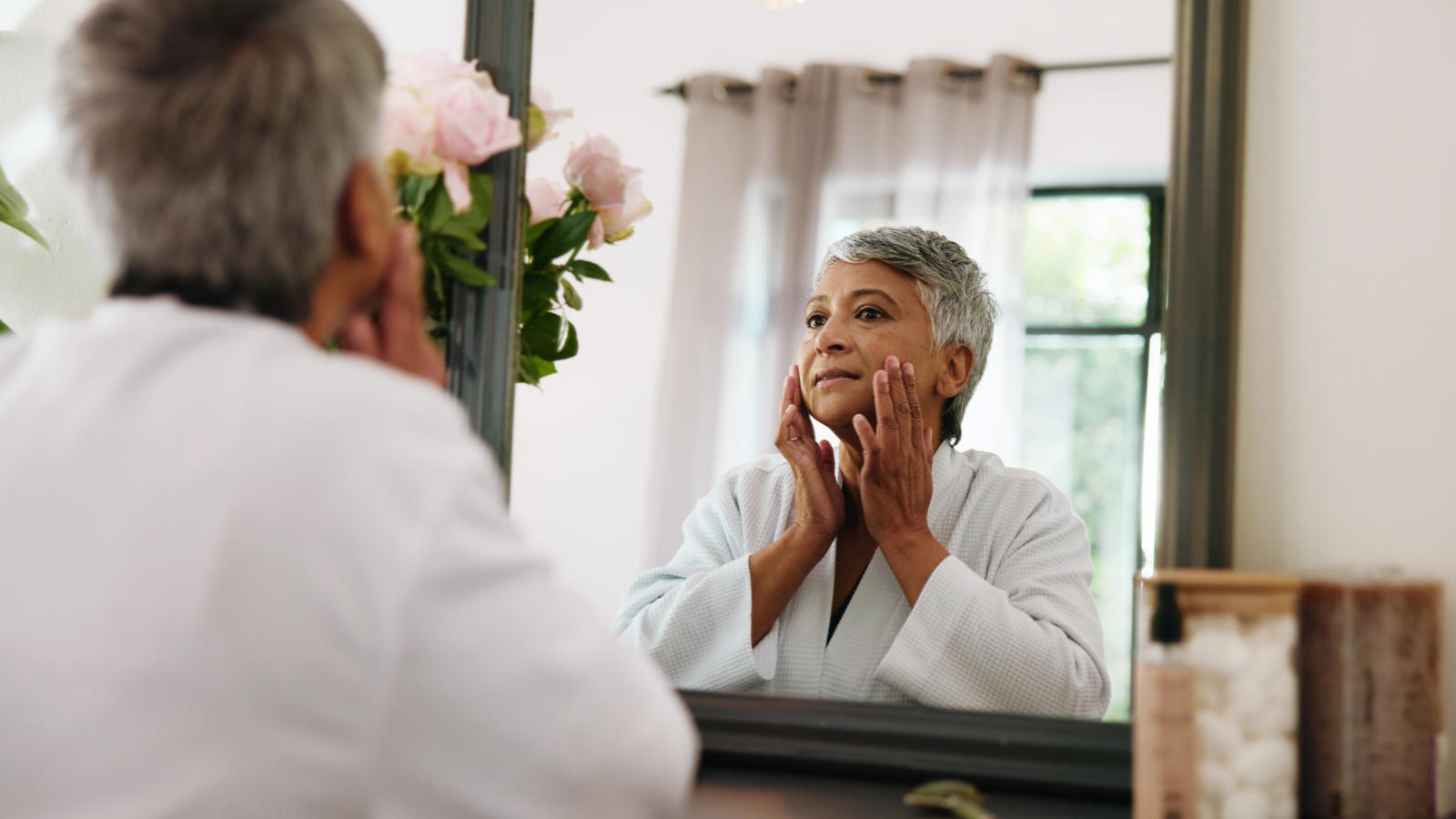
There is a particular kind of grief that many people feel but don’t talk about – or maybe only to close friends. It’s the grief that can appear when you look in the mirror and notice you no longer recognise the face or body in front of you.
Nothing dramatic has happened necessarily; it’s simply that time has passed. Our skin and hair can change, our faces soften, our bodies show new marks, our clothes fit differently, and our photos seem less kind.
For many people, especially women, this can feel far more significant than vanity. It can feel like a private identity crisis.
Our appearance is never just about looks. It shapes how the world treats us. It affects the attention, approval, attraction, or admiration we get. Youth and beauty often bring a social advantage, even if we wish it did not matter.
If you were once noticed for your looks, getting older can feel painful. You might not want to admit it, or you might feel embarrassed that it matters. You may tell yourself you should not care. But if your appearance has shaped your confidence, desirability, social comfort, or sense of self, it is natural to feel hurt when it changes. You’re only human after all!
The experience of no longer being seen
When we talk about ageing, we often discuss health, retirement, money, fitness, or hormones. We talk far less about the emotional impact of becoming less visible.
For many women, midlife brings a strange social experience. You may still feel vibrant, intelligent, sexual, creative and alive inside, yet notice that the outside world does not respond to you in quite the same way. The gaze changes. Compliments become less frequent. You may feel overlooked in shops, workplaces, social spaces, and even in your own relationship.
This can create a painful gap between how you feel inside and what you see outside. You may feel just as complex and alive as ever, but the world seems to push you aside, and that gap can be deeply unsettling.
It is not simply that you miss looking younger. It is that you may miss the version of yourself who felt more certain of her place in the world.
Why it hurts so much
This reaction makes sense. We shape our identity through repeated feedback. If you often heard you were attractive, stylish, youthful, slim, pretty, or desirable, those messages become part of your story about yourself.
You may not have consciously chosen it. You may even have resisted it. But it still becomes part of the way you know yourself. So when your appearance changes, it can feel like your identity is threatened. Your value has not changed, but one of the ways you recognised yourself is no longer consistent.
This is why common reassurances like “age is just a number” or “beauty comes from within” can feel annoying. People mean well, but these words often fail to capture the real sense of loss.
Something does change. Something does have to be mourned. The task is not to pretend it doesn’t matter. The task is to make sure it is not the whole story.
The trap of trying to preserve one version of yourself
There is nothing wrong with wanting to look good. There is nothing wrong with caring about clothes, hair, skincare, make-up, fitness or style. These can all be forms of self-expression and self-respect. The problem begins when we try to preserve one fixed version of ourselves forever.
Midlife feels painful when we think our worth depends on staying the same. Society tells us again and again to stay young, look young, hide ageing, fix ageing, or reverse it. The hidden message is harsh: who you are becoming matters less than who you were.
But you cannot find peace in the second half of life if you are always watching and judging yourself. At some point, we have to ask a deeper question: If I am not only the way I look, then who else am I?
Expanding the self
This is where midlife becomes more than loss. It becomes an invitation. If the first part of life is about building identity through outside approval, the second part asks us to find something deeper inside ourselves. Appearance still matters, but it cannot hold all of who we are anymore. Your identity has to expand:
- It can expand into wisdom: the ability to understand life with more depth, nuance and compassion than you had at twenty-five.
- It can expand into creativity: writing, making, designing, building, learning, expressing parts of yourself that may have been neglected for years.
- It can expand into relationships: that are less about performance and more about truth.
- It can expand into purpose: mentoring, contributing, teaching, creating, caring, leading, or simply living with more intention.
These are not just second-best options. They are also forms of beauty. They may not be as obvious, but they often last longer and mean more.
A woman who knows herself is compelling in a new way. When she stops apologising for taking up space, she carries a different presence. When she stops pretending to be young and lives honestly, she can become much more powerful than she thinks.
The mirror is not the whole truth
Ageing invites us to let go of our old identity. This does not mean rejecting our younger self or pretending we do not miss her. It means letting ourselves grow beyond who we were.
You are allowed to care about how you look. You are allowed to grieve the changes. You are allowed to feel thrown by the mirror some days. But you are also allowed to build a self that is not dependent on being admired in the same way you once were.
Looks may fade, but your identity can grow deeper. Your presence can become stronger. Confidence may become quieter but more solid. Beauty can move from something others give you to something you feel inside. The mirror may show change, but it does not tell the whole story.
If you have felt invisible, unsettled, or unsure of yourself as you age, you are not alone. Take the free Midlife Quiz to see where you are in your transition and learn how to start expanding your identity beyond the mirror.