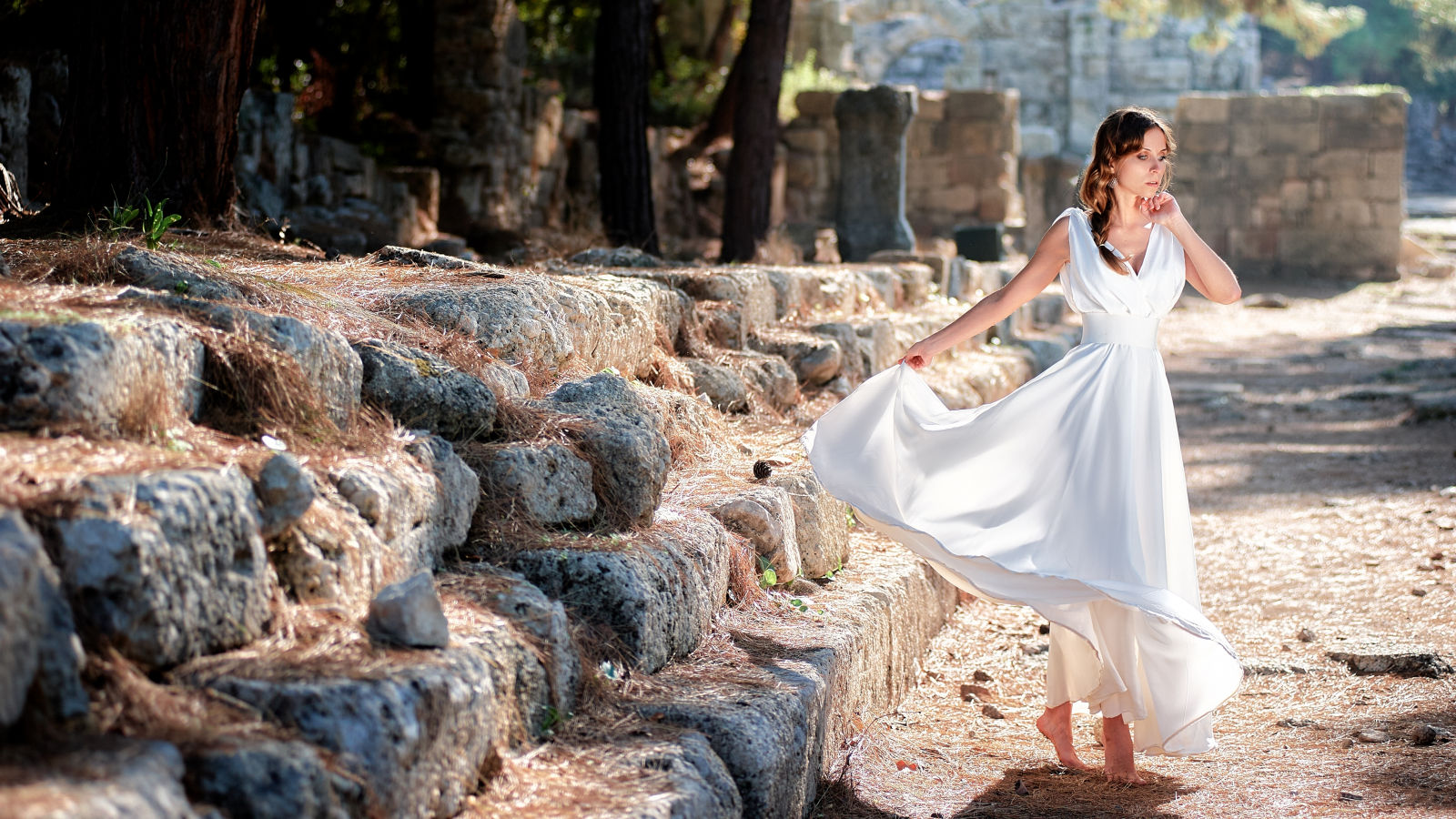
Aphrodite Can Take a Back Seat
The Aphrodite Complex isn’t really about beauty. It’s about where we’ve learned to locate our value.
As the ancient Greek goddess of love, beauty, desire, pleasure and fertility, Aphrodite was so extraordinarily beautiful that gods and mortals alike were captivated by her. She came to symbolise feminine beauty, romantic attraction and sexual desirability. Throughout history, artists, writers and advertisers have used Aphrodite as the ideal of female attractiveness.
And so from Ancient Greece to modern day.
From a young age, girls receive subtle but powerful messages that being liked, admired and chosen matters. We compliment little girls on how pretty they look before we praise their courage or curiosity. We celebrate their beauty when friends post pictures of their daughters on Facebook. Teenagers quickly learn that attractive girls attract attention, followers and opportunities. Adult women are still judged on whether they have ‘looked after themselves’ or ‘let themselves go’.
None of these messages are particularly shocking on their own. The problem is their cumulative effect.
Over decades, many women unconsciously begin to weave appearance into their identity. Looking attractive no longer feels like something they enjoy; it becomes evidence that they are worthy, desirable and significant. Their self-esteem gradually becomes tied to external validation.
Psychologists call this contingent self-worth, when someone’s value depends on meeting particular conditions. For some people, worth depends on achievement. For others, it depends on being needed or being successful. For many women, at least in part, it becomes contingent on remaining attractive.
This is an impossible contract to maintain.
Ageing isn’t a personal failure; it’s flipping biology! Yet when appearance has become the foundation of identity, every wrinkle, grey hair or muffin top can feel like evidence that something more fundamental is being lost.
The tragedy isn’t the wrinkle. The tragedy is believing the wrinkle says something about your value and buying into the never-ending supply of neck creams and facelifts posted on your ‘For You’ page.
This helps explain why some women become increasingly anxious about ageing while others seem relatively unaffected. It isn’t simply about how they look. It’s about how much of their identity has become invested in looking a certain way.
When self-worth rests primarily on appearance, ageing feels like an existential threat. When self-worth rests on character, relationships, creativity, wisdom, purpose and authenticity, appearance naturally becomes just one part of a much richer identity.
That doesn’t mean women stop caring how they look. Most of us enjoy feeling healthy, confident and attractive. The difference is that appearance becomes an expression of self rather than the source of self.
That’s the psychological shift that transforms visibility from something we seek from others into something we cultivate within ourselves.